
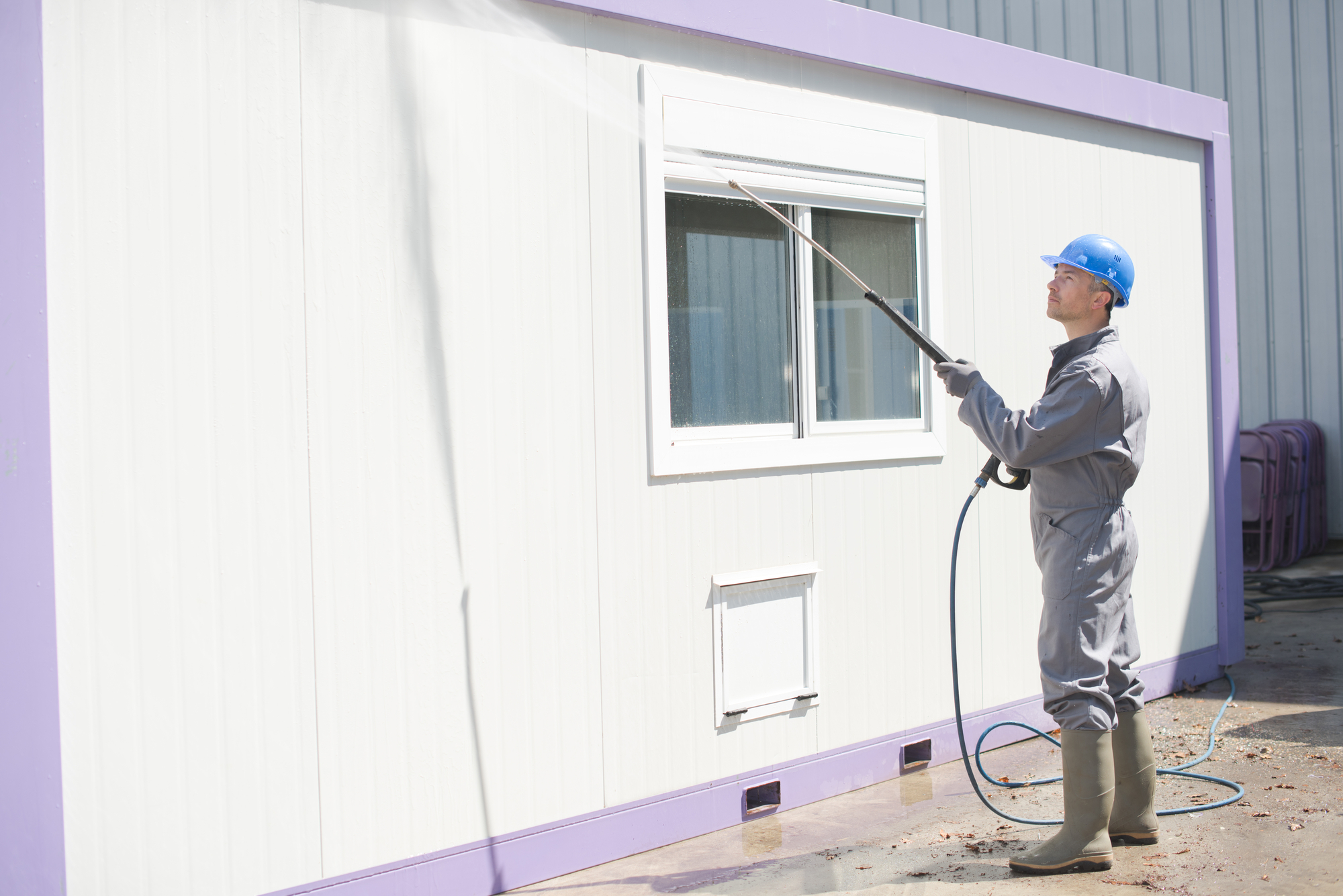
Living in Virginia Beach means you get used to salt in the air, sand where it doesn’t belong, and humidity that hangs around like it has nowhere else to be. Most of the time you don’t think twice about it. Until one day you look at your house and realize the siding feels dull, the trim looks streaky, and the shaded side has picked up a green tint that definitely wasn’t part of the original color choice.
That’s coastal life doing what it does. Between ocean air, frequent storms, and long humid stretches, exterior surfaces here collect buildup fast. Power washing isn’t just about making things look nice again. In this climate, it’s part of keeping a home in good shape, especially before exterior painting enters the picture.
Why Virginia Beach Homes Get Dirty So Quickly
Salt air travels farther inland than most people realize. It settles on siding, trim, railings, and decks, then mixes with moisture from humidity and rain. That combination creates a perfect environment for mildew and algae to settle in and stick around.
I’ve noticed homeowners often think their paint is failing when the surface looks blotchy or faded. Sometimes that’s true. But a lot of the time, it’s just layers of salt residue, dirt, and organic growth that haven’t been washed away yet.
Power washing helps remove:
- Salt residue carried in from the coast
- Mildew and algae fed by humidity
- Sand and dirt kicked up during storms
- Pollen that clings to surfaces most of the year
- Loose paint that’s already starting to peel
Once that layer is gone, the house doesn’t just look cleaner. It’s actually ready for paint to bond properly and hold up.
Why Power Washing Comes Before Exterior Painting
This question comes up constantly.
“Can we just paint over it?”
Along the coast, that usually leads to problems later.
Paint needs a clean surface to stick. When salt, mildew, or grime is left behind, adhesion suffers. Sometimes paint starts peeling within a year. Other times it holds on just long enough to feel misleading before failing.
Skipping proper washing often leads to:
- Peeling along trim and edges
- Bubbling caused by trapped moisture
- Uneven color or sheen
- Shorter paint lifespan
Exterior painters in Virginia Beach VA treat power washing as a foundational step, not an optional add-on. It’s one of the biggest factors in how long a paint job survives coastal conditions.
Seasonal Timing Matters in Coastal Virginia
Power washing can happen most of the year in Virginia Beach, but timing still matters. Spring and early summer are popular because surfaces dry reasonably well and it lines up nicely with exterior painting projects.
Mid-summer washing works too, though humidity and afternoon storms can slow drying if timing isn’t right. Fall can be an excellent window once storm season calms down. Winter washing is usually possible, but cooler temps and shorter days still affect drying time.
The goal is always the same. Give surfaces enough time to dry completely before any paint goes on.
Different Surfaces Need Different Cleaning Methods
Not everything on your home should be hit with the same pressure. That’s how damage happens.
Vinyl siding
Handles moderate pressure well, but spraying at the wrong angle can push water behind panels.
Wood trim and accents
Common on coastal homes. These areas need a gentler approach to avoid gouging or lifting fibers.
Stucco and masonry
Often require softer washing methods to prevent surface damage.
Decks and porches
Too much pressure can leave lines or rough spots that show through paint or stain later.
Roofs
Should never be pressure washed. Soft-wash systems are used instead to protect shingles.
Experience matters here. Adjusting pressure and technique makes all the difference.
Equipment Isn’t Just About Power
Renting a pressure washer seems simple. Sometimes it works out fine. Other times, it leads to chipped paint, damaged siding, or water getting forced where it shouldn’t.
Lower-powered electric units handle light cleaning. Gas-powered machines bring much more force, which can be helpful or destructive depending on how they’re used. The strongest machines can cause damage fast if handled carelessly.
Professional painting contractors focus on control and consistency, not brute force.
Common Power Washing Mistakes Homeowners Make
These show up often:
- Standing too close and carving lines into siding
- Spraying upward and pushing water behind panels
- Skipping detergents that break down mildew
- Not rinsing thoroughly
- Painting before surfaces are fully dry
Most of these mistakes don’t look serious at first. The issues usually appear later, when paint starts peeling or discoloration shows through.
How Power Washing Helps Paint Last Longer
Exterior paint in Virginia Beach already works hard. Salt air, humidity, sun exposure, and storms all take their toll. When surfaces are properly washed, paint has a much better chance of lasting closer to its expected lifespan.
Skipping washing often shortens that lifespan, which leads to earlier repainting and higher costs over time. Power washing is one of those prep steps that quietly protects your investment.
A Helpful Virginia Resource for Homeowners
For general home maintenance and safety guidance in Virginia, this state resource is worth checking out:
https://www.virginia.gov
It’s a solid reference if you’re planning exterior projects along the coast.
One Last Thought Before You Start Washing
Power washing looks simple, but it involves high pressure, slippery surfaces, and the risk of forcing water where it shouldn’t go. That’s why many homeowners choose to have professionals handle washing as part of a larger exterior prep plan.
If you’re thinking about painting this year or just want your home to feel cleaner after another humid season, having a conversation with a local team like Hughes Painting can help you plan the right prep steps before things get busy. A little planning now often saves a lot of frustration later.