
How Much Does It Cost to Paint a Room in Virginia Beach?
If you’re planning to repaint a bedroom, living room, or home office, you probably want a realistic idea of the cost before you start choosing colors.
The honest answer is that there is no dependable flat price for “one room.” A small bedroom with smooth walls and no trim work is a very different project from a living room with a vaulted ceiling, drywall repairs, built-ins, and a dramatic color change.
As a general national benchmark, HomeAdvisor estimates professional interior painting at roughly $2 to $6 per square foot, with individual room estimates ranging from a few hundred dollars to $2,000 or more. Those figures are planning estimates, not Hughes Painting prices, and local projects can fall outside them depending on the work involved. You can review the underlying national figures in HomeAdvisor’s interior-painting cost guide.
For an accurate Virginia Beach, Chesapeake, or Suffolk price, a painter needs to evaluate the room, its condition, and exactly which surfaces you want included.
What Does “Painting a Room” Include?
This is the first question to settle when comparing estimates. One quote may cover only the walls. Another may include the walls, ceiling, baseboards, window trim, doors, minor repairs, and primer. Those are not equivalent projects, even if both estimates are labeled “bedroom painting.” Before comparing prices, determine whether the estimate includes:
-
- Walls
- Ceiling
- Baseboards and crown molding
- Window and door trim
- Doors and closets
- Drywall or plaster repairs
- Stain-blocking or bonding primer
- Furniture protection and floor coverings
- Cleanup and final touch-ups
A clear scope makes it much easier to understand what you are actually paying for.
1. Room Size and Ceiling Height
Room dimensions matter, but painters do not simply price the job using the floor’s square footage. They consider the amount of surface that needs to be painted.
A 12-by-12-foot bedroom with an eight-foot ceiling has considerably less wall area than a similarly sized room with ten-foot ceilings. Open stairways, vaulted ceilings, and two-story foyers require additional setup and more difficult access. More wall area generally means more paint, more preparation, and more labor.
2. The Condition of the Walls
Surface preparation is one of the biggest variables in a professional painting estimate.
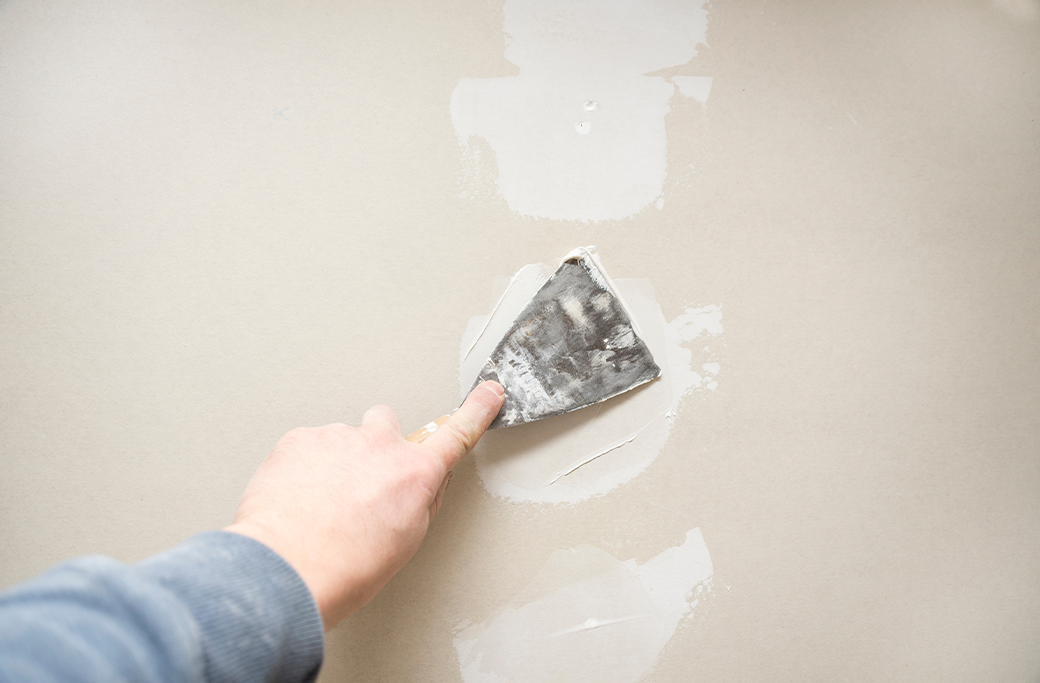
Walls with nail holes, dents, cracks, failed caulk, peeling paint, water stains, or uneven patches need attention before the finish coat goes on. Fresh paint does not hide poor repairs. In many cases, it makes them easier to see. Common preparation work includes:
-
- Filling nail holes and dents
- Repairing drywall damage
- Sanding rough or previously patched areas
- Scraping loose paint
- Caulking gaps around trim
- Blocking stains
- Priming repaired or porous surfaces
Hughes Painting’s guide to preparing a Virginia Beach home for interior painting explains why this work affects both the appearance and durability of the finished room.
3. Wall Alone Versus Walls, Ceiling, and Trim
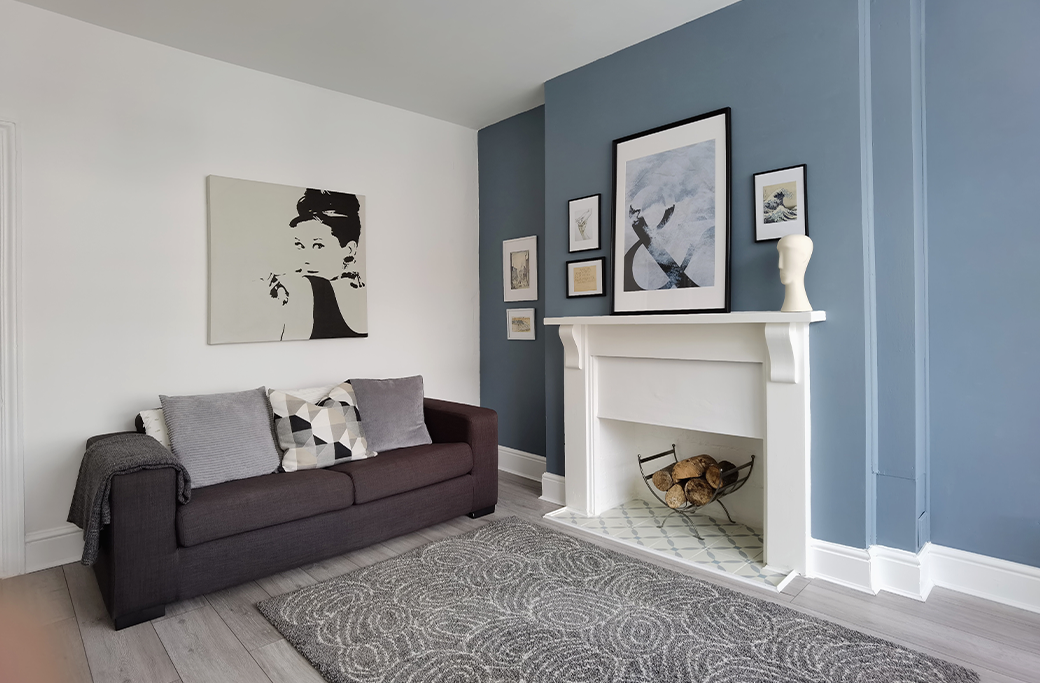
Walls usually account for only part of the room. Adding a ceiling requires more paint, protection, and overhead work. Baseboards, crown molding, windows, doors, and built-ins require careful cutting and a finish appropriate for woodwork.
Trim can take a surprising amount of time because the work is detailed. A room with extensive molding, several windows, or multiple doors may cost more to paint than a larger but simpler room. Ask for each part of the project to be clearly identified in your estimate.
4. The Existing And New Colors
Repainting a light neutral room with a similar color is generally more straightforward than covering navy blue, red, dark green, or another saturated shade with a pale color. A major color change may require:
-
- A separate primer
- Additional finish coats
- More drying time
- Extra attention around edges and repairs
The reverse can also be true. Deep new colors sometimes need additional coats to develop an even, consistent finish. If you haven’t selected a final color yet, mention the type of change you’re considering when requesting an estimate.
5. Paint Quality And Finish
Paint prices vary by product line, performance, and sheen. The least expensive product is not always the least expensive choice over the life of the room.
High-use spaces may benefit from a more durable, washable coating. Bathrooms and kitchens have different moisture and cleaning demands than bedrooms or formal living rooms. Trim and doors also need a different finish from most walls.
Hughes Painting works with established manufacturers, including Sherwin-Williams, Benjamin Moore, and PPG. The appropriate product depends on the surface, room, and finish you want. You can learn more about our approach to professional interior painting in Virginia Beach.
6. Furniture And Room Access
An empty room is normally easier to work in than one filled with large furniture, fragile belongings, wall-mounted equipment, and window treatments. Professional painters protect the home, but access still affects the amount of setup required. Before requesting an estimate, consider:
-
- Can small items be removed?
- Are there large pieces that must remain in the room?
- Are the walls easy to reach?
- Are there built-in shelves or entertainment units?
- Will closets or attached spaces also be painted?
Hughes Painting’s interior process includes protecting furniture and floors, preparing the walls, painting, and cleaning the work area afterward.
7. One Room Versus Several Rooms
Painting one room is a perfectly reasonable project, but the average cost per room may decrease when several nearby rooms are completed together.
A crew must bring equipment, protect the work area, prepare materials, and clean up whether the project involves one room or several. Combining rooms may allow some of that setup time to be shared.
If you expect to paint another bedroom, hallway, or connected living area within the next few months, ask whether it makes sense to estimate the spaces together.
Why Two Room-Painting Estimates Can Look Very Different
Imagine two homeowners with similar-sized bedrooms.
The first room has smooth walls, standard ceilings, limited furniture, and a new color close to the existing one. The homeowner wants the walls painted, but plans to leave the ceiling and trim alone.
The second room has drywall damage, water stains, dark walls, crown molding, several windows, and a ceiling that also needs painting.
The rooms may have similar floor dimensions, but the second project includes substantially more preparation, material, and detailed labor. Comparing the bottom-line prices without comparing the scope would be misleading. A good estimate should help you understand those differences.
Is Painting A Room Yourself Less Expensive?
DIY painting can reduce the immediate labor expense, particularly if you already own ladders, drop cloths, brushes, rollers, sanding tools, and other supplies. The tradeoff is your time and the risk of having to redo uneven coverage, rough repairs, paint drips, or poorly cut edges. A professional project also includes the less-visible work that happens before the first finish coat reaches the wall.
DIY may be a reasonable option for a simple room in good condition. Professional painting becomes more valuable when the project involves high ceilings, extensive repairs, difficult access, detailed trim, or a finish you want to hold up over time.
How to Request a Useful Painting Estimate

Give the painter enough information to understand the project, but don’t worry about calculating every square foot yourself.
Be prepared to discuss:
-
- The room’s approximate dimensions and ceiling height
- Which surfaces you want painted
- Any visible cracks, holes, stains, or peeling areas
- The existing color and the new color direction
- Doors, closets, built-ins, or detailed trim
- Furniture or access concerns
- Whether other rooms may be included
Then ask what the estimate includes. The lowest number is not automatically the best value if it leaves out preparation, repairs, finish coats, protection, or cleanup.
Hughes Painting provides free, no-obligation estimates and explains the project so homeowners can make an informed decision. If you’re considering a room refresh in Virginia Beach, Chesapeake, or Suffolk, request a painting quote based on the actual condition and scope of your space.
Frequently Asked Questions
How much does it cost to paint a 12-by-12-foot room?
A national cost guide estimates that painting a typical 120-square-foot bedroom may cost approximately $240 to $720, but that should be treated only as a broad planning benchmark. The actual price depends on wall height, repairs, doors, windows, trim, ceiling work, paint selection, and the number of coats.
Do painters charge based on floor square footage?
Not necessarily. Floor dimensions help describe the room, but painters also consider the actual wall and ceiling area, surface condition, access, preparation, trim, and other parts of the project. Two rooms with the same floor area can require very different amounts of work.
Does painting the ceiling cost extra?
Usually, yes. A walls-only estimate generally does not include ceiling painting unless it is specifically listed. Ceilings require additional paint, protection, cutting, and overhead labor.
Does it cost more to cover a dark paint color?
It can. Changing from a dark or saturated color to a much lighter shade may require primer or additional finish coats. The condition of the existing coating and the new paint product also affect the process.
Can Hughes Painting paint just one room?
Yes. The company’s interior-painting services include single-room refreshes, as well as larger interior projects. The estimate will be based on the room and the requested scope.
Is fall a good time for interior painting in Virginia Beach?
Interior painting can be completed throughout the year. Fall is often a convenient time because homeowners are moving indoors and preparing their homes for holiday gatherings. Indoor temperature, humidity, ventilation, and product requirements still need to be managed properly.